


For many entrepreneurs, a business plan is a box to check. For Catrina Bowen, it became something much more.
Catrina first learned about Operation HOPE through the Brooklyn Public Library’s PowerUP! Competition. “They had mentioned Operation HOPE in one of the Business Plan Competition’s required courses,” she explained. “Somebody they were mentioning a lot was [Operation HOPE Coach] Walid Morad.” When she looked it up and realized Walid’s coaching—through the Small Business Development Program and the 1MBB Initiative—was free, she decided to sign up.
At the time, she was building a comprehensive business plan for ProManage Services, her construction management firm focused on supporting small contractors. Her company acts as a bridge, helping subcontractors and general contractors navigate the paperwork required to get paid on time.
The PowerUP! competition required a full business plan, covering everything from marketing and finance to creating a sustainable business within Brooklyn. Catrina went into the process completing it largely on her own. But when she enrolled in Walid’s 8-week program, something shifted.
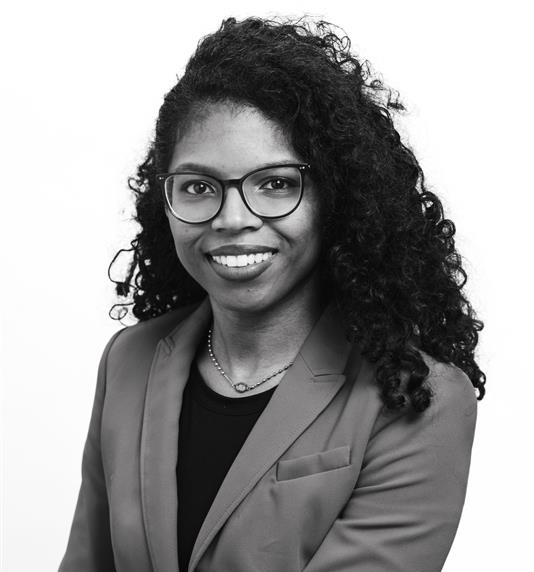
“The first day I went in that course, I’m like, ‘This is the best spent time of my day of learning more about becoming a small business and entrepreneurship overall,’” she said. Unlike other programs she had taken, this one felt practical and personal. “Everything was focused on small businesses and creating the business plan.”
Walid’s style resonated with Catrina immediately. “He relates each class to what we may have or will soon encounter in the world of business and he’s a straight shooter,” she said. She appreciated that he spoke from experience, often saying, “This is what I’ve been through. This is what I’ve done in business. This is what failed. This is what went successfully.” More than instruction, Walid’s teaching style felt familiar. “I literally feel like I was talking to a family member, like speaking with my own brother,” she said.
After the course ended, Catrina didn’t hesitate. “I knew I wanted to continue working with Walid, regardless of the outcome of the competition,” she said.
When she was selected as a finalist for the PowerUP! Competition, the business plan moved from document to dynamic strategy. Together, they refined her presentation and pitch. “He was a great sounding board,” she said. “He filled in the gaps for me.” From recommending procuring an accountant and lawyer to reminding her about a using a teleprompter app to practice her speech, Walid’s support was both strategic and tactical.
“Walid became an exceptional coach, keeping me motivated, offering honest and constructive feedback, and sharing his trademark humor that made every meeting engaging,” she remarked.
Equally impactful was how Walid pushed Catrina to think bigger. Initially, Catrina had focused exclusively on public sector clients—housing authorities, transit agencies and state entities. Walid encouraged her to expand her list of prospects to include private developers and contractors. He also suggested exploring federal opportunities through sam.gov.
“He definitely opened up the pool a little more and encouraged me not to silo myself there just yet,” she said. “He kind of reshaped that strategy for me.”
Instead of treating her business plan as a finished submission, Walid treated it as a working tool—something to test, expand, and refine in real time. They created prospect outreach lists, strengthened marketing materials, adjusted positioning, and built momentum all the way through competition day.
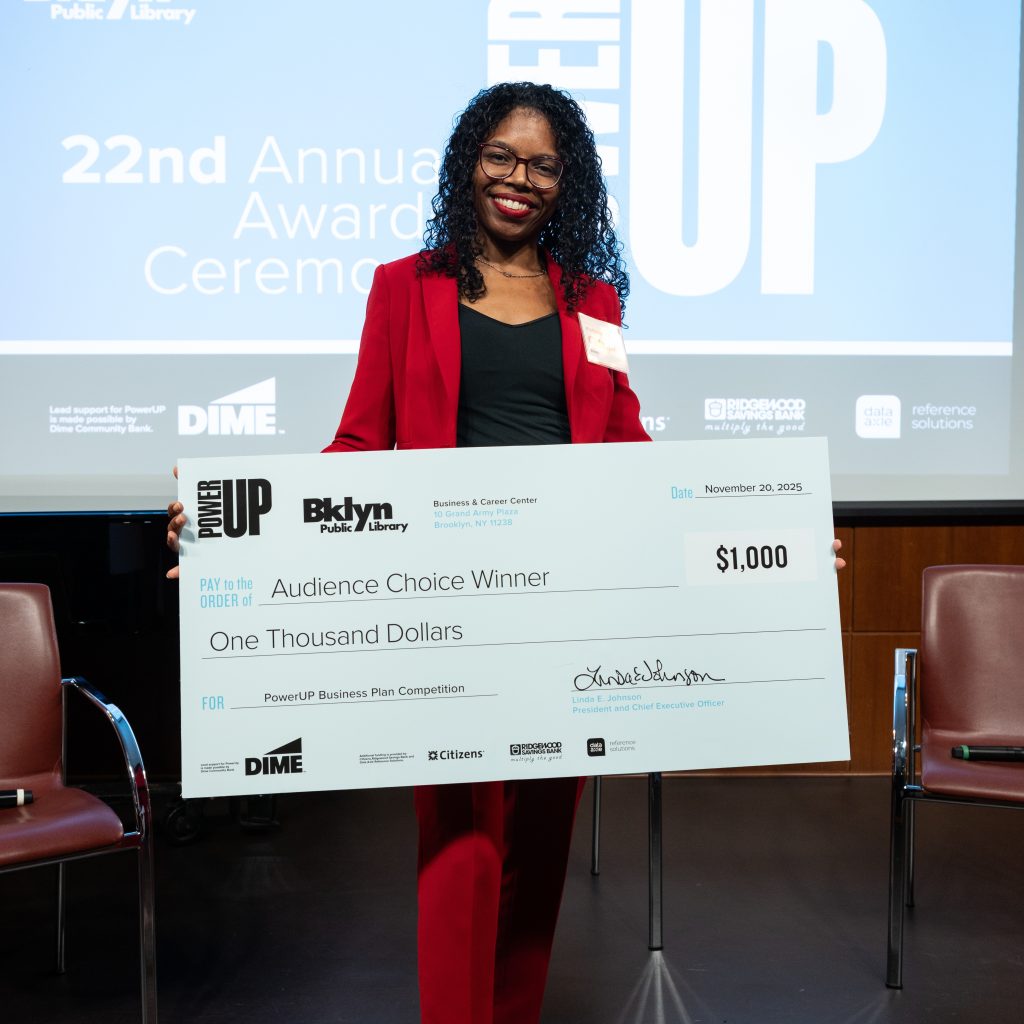
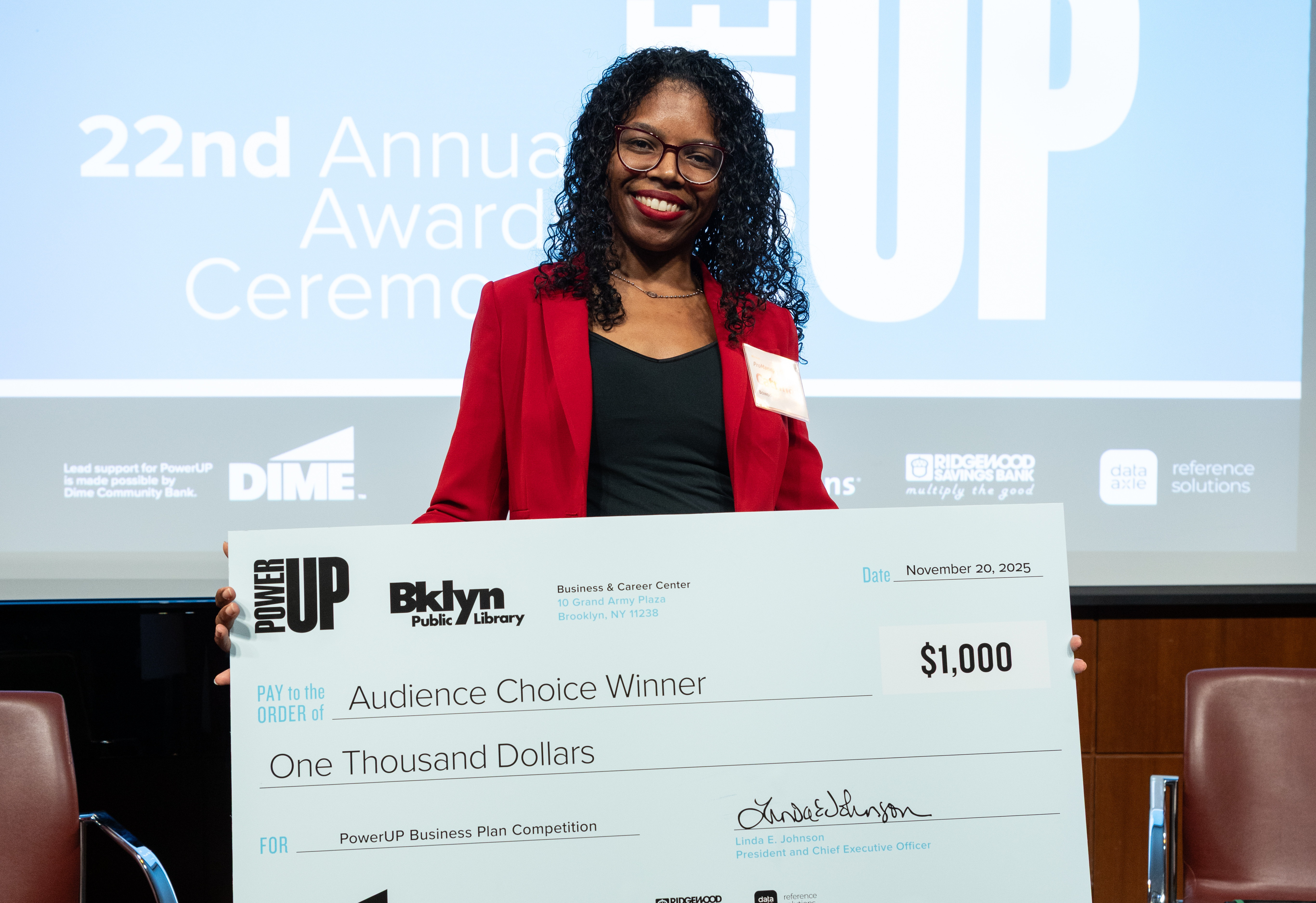
Catrina was named a top 8 finalist out of 200 applicants, received a merit award, and won the People’s Choice Award—earning $2,000! “It was an amazing time,” she said.
More importantly, she proved something to herself.
“I was up there presenting by myself,” she said. “If I could do this, I can do anything. That means I do make good business decisions. I have the discipline to focus and conquer all my goals.”
The wins didn’t stop there. With Walid’s guidance, Catrina secured a consulting contract with an organization focused on helping young adults enter the construction trade—work that positions her to qualify for Minority and Women-Owned Business Enterprise (M/WBE) certification in New York City and New York State.
“Walid has been a tremendous coach, an excellent educator, and an overall outstanding person to work with,” she said.
Today, her next goals are clear: secure three more projects and complete her M/WBE filing.
For Catrina, the difference wasn’t just writing a business plan. It was learning how to let it guide her decisions long after the competition ended. With the right coaching, what started as a competition requirement became a living, breathing roadmap—guiding her decisions, expanding her vision, and helping her succeed.
For more information: OperationHOPE.org. Follow the HOPE conversation on Facebook, Instagram or LinkedIn.