Donate

LearnING with HOPE

Welcome to our learning library — open to everyone and designed to spark financial confidence. Whether you’re curious about building credit, managing expenses, understanding taxes, or planning for your future, these bite-sized modules offer a preview of the valuable tools and support we provide at Operation HOPE. Explore a quiz, watch a short training, and take your first step toward financial empowerment.


Already know you’re ready for more? Use the buttons below to explore our full programs or connect with a coach today.

EXPLORE PROGRAMS FIND A COACH

Micro-Courses

Short on time but ready to take control of your finances? Our micro-courses are quick, engaging video sessions designed to equip you with practical tools for real life. Whether you’re looking to improve your credit, build a budget, understand taxes, or make smarter money choices, these bite-sized lessons offer simple steps to start your financial journey today.


Automate Your Way Into Savings

Choosing Financial Products & Services

Regular vs. Irregular Expenses

Setting Saving Goals
Types of Scams and How to Protect Yourself

What’s Your Status

Training workbooks

Our downloadable workbooks are designed just for you. Each one breaks down key financial topics into simple, step-by-step activities that fit easily into your busy life. From budgeting basics to credit building and tax tips, these guides help you put knowledge into action—on your terms.

BANKING 101

Budgeting and Saving

Setting Financial Goals

Student Loans

Using Your Benefits & Avoiding Scams

Building Strong Credit

ai video training

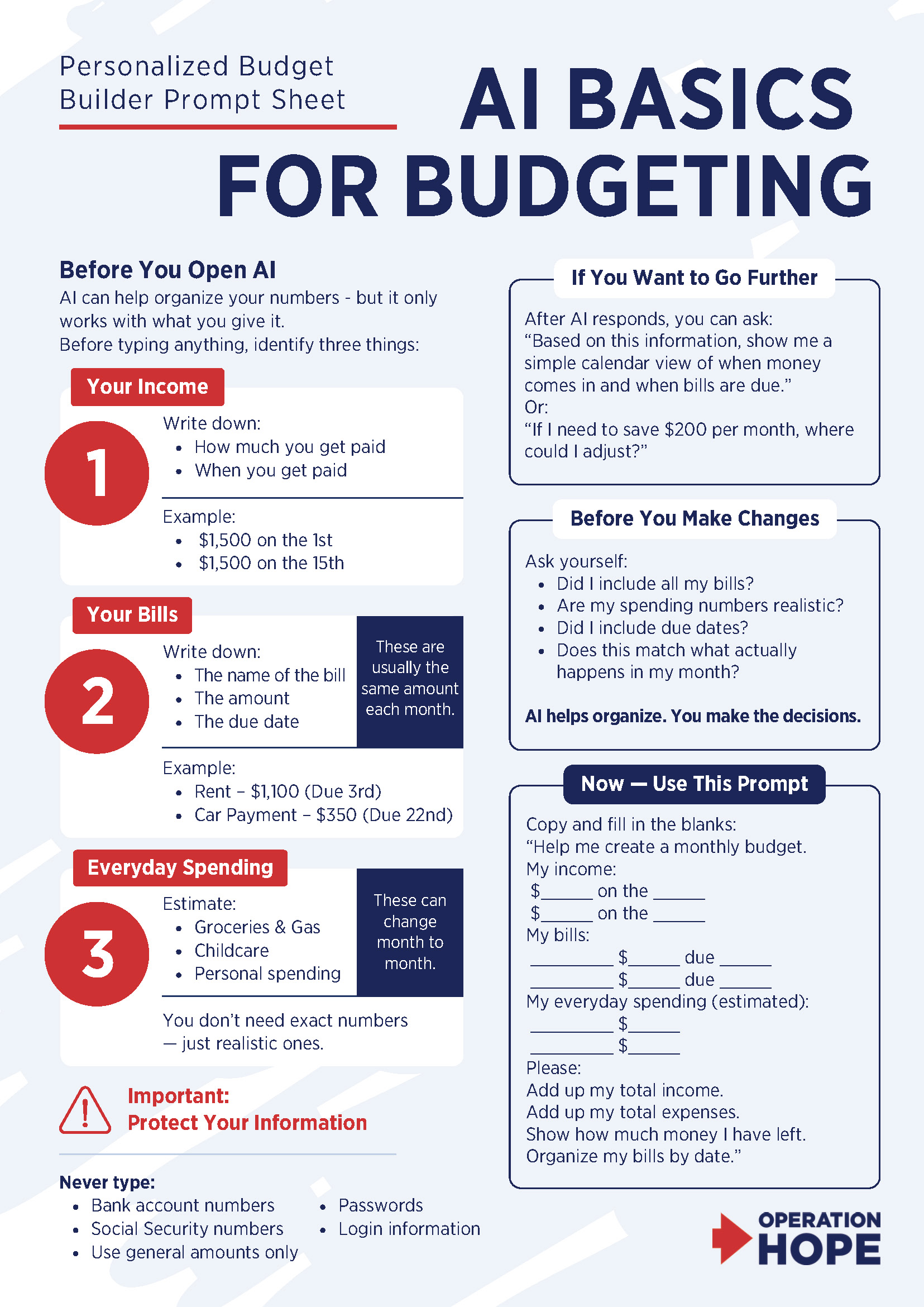
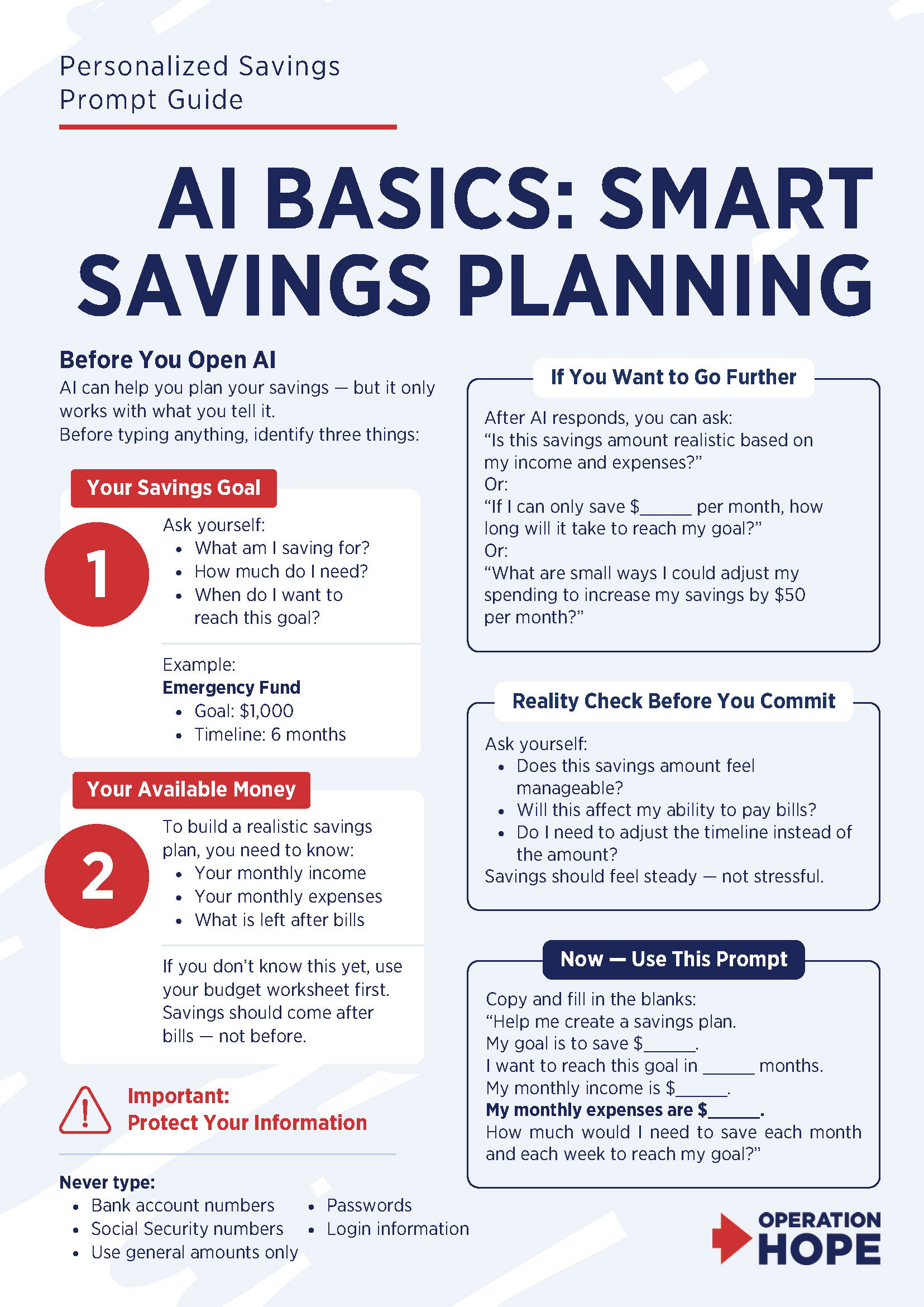
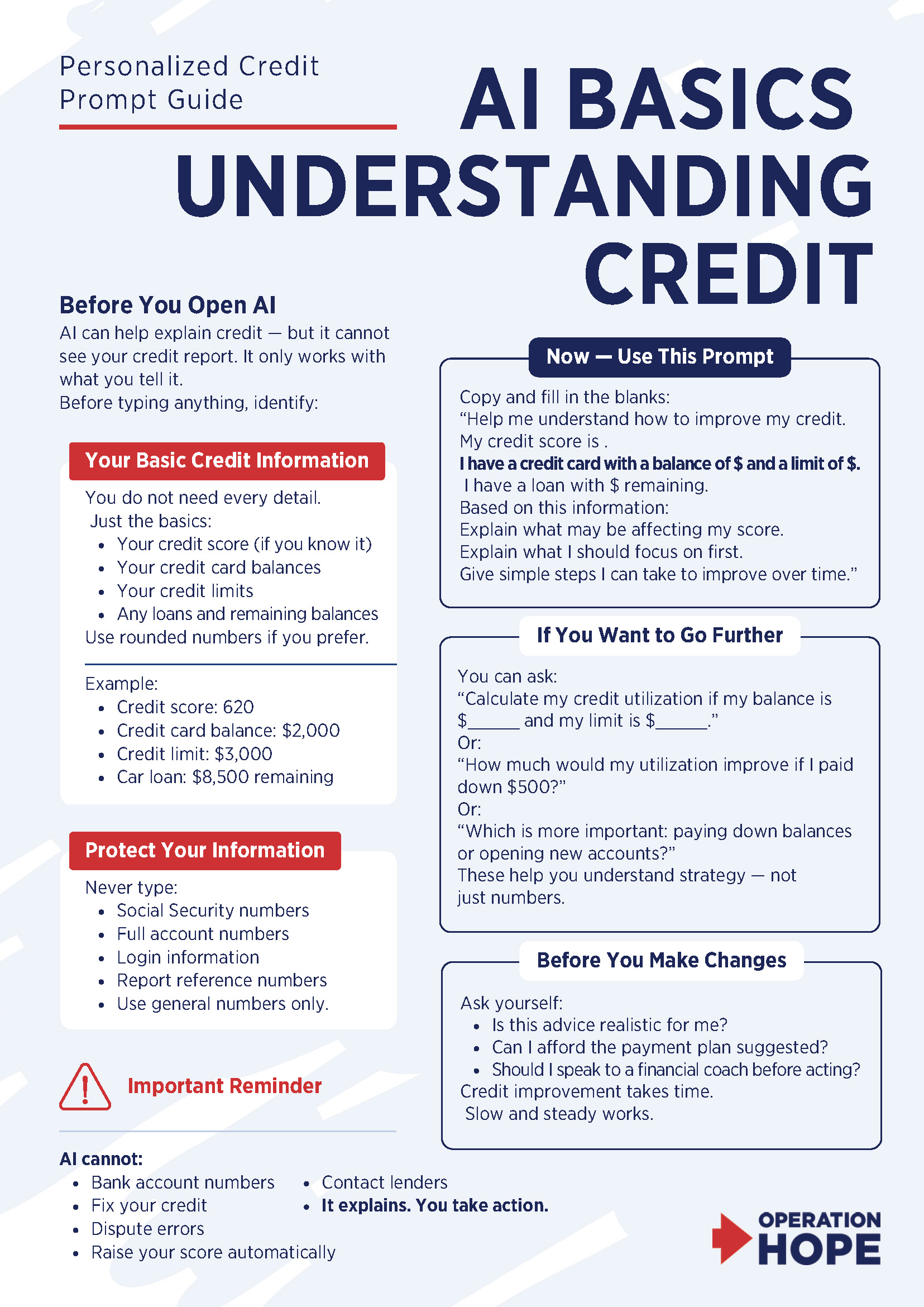
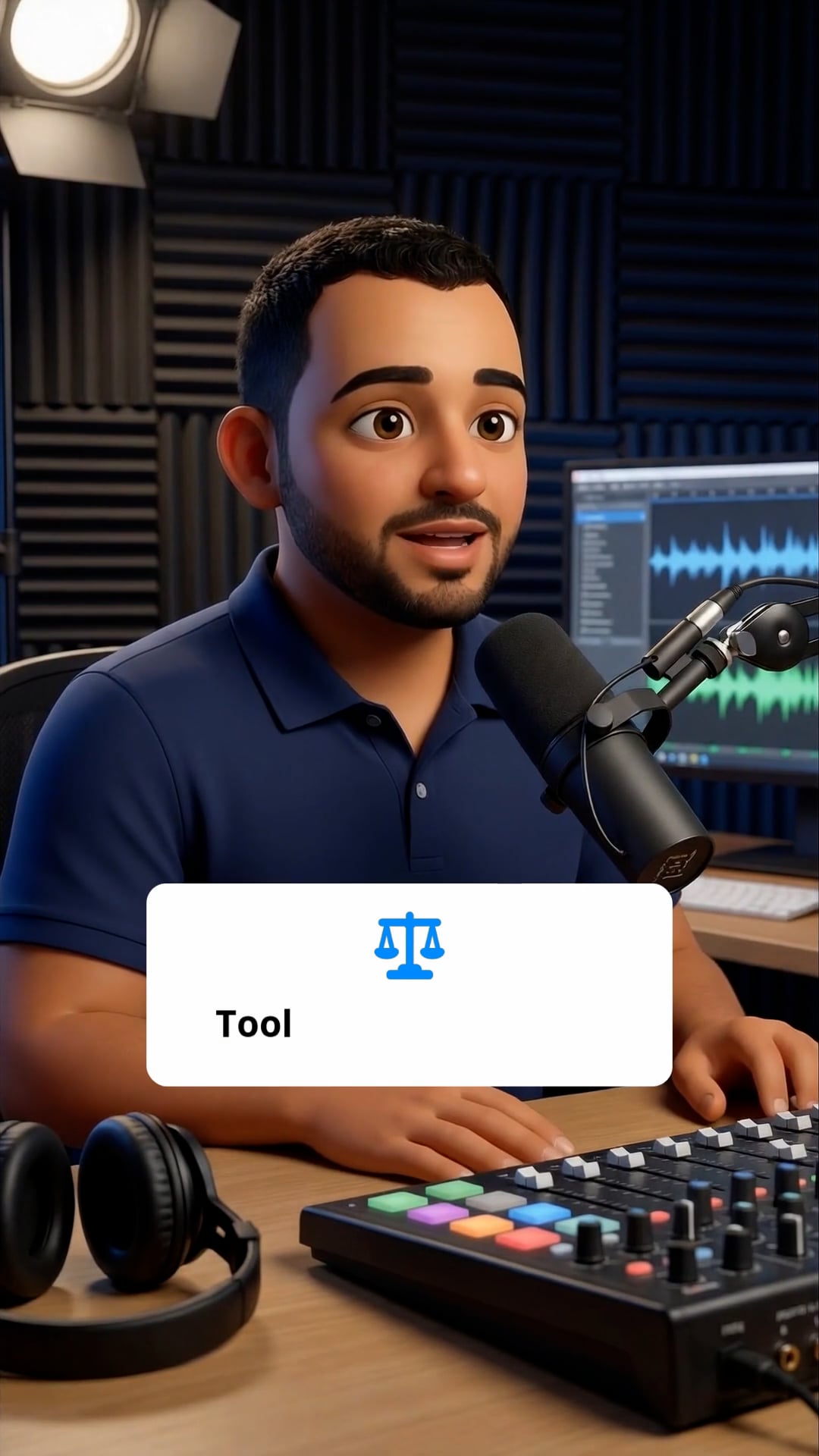
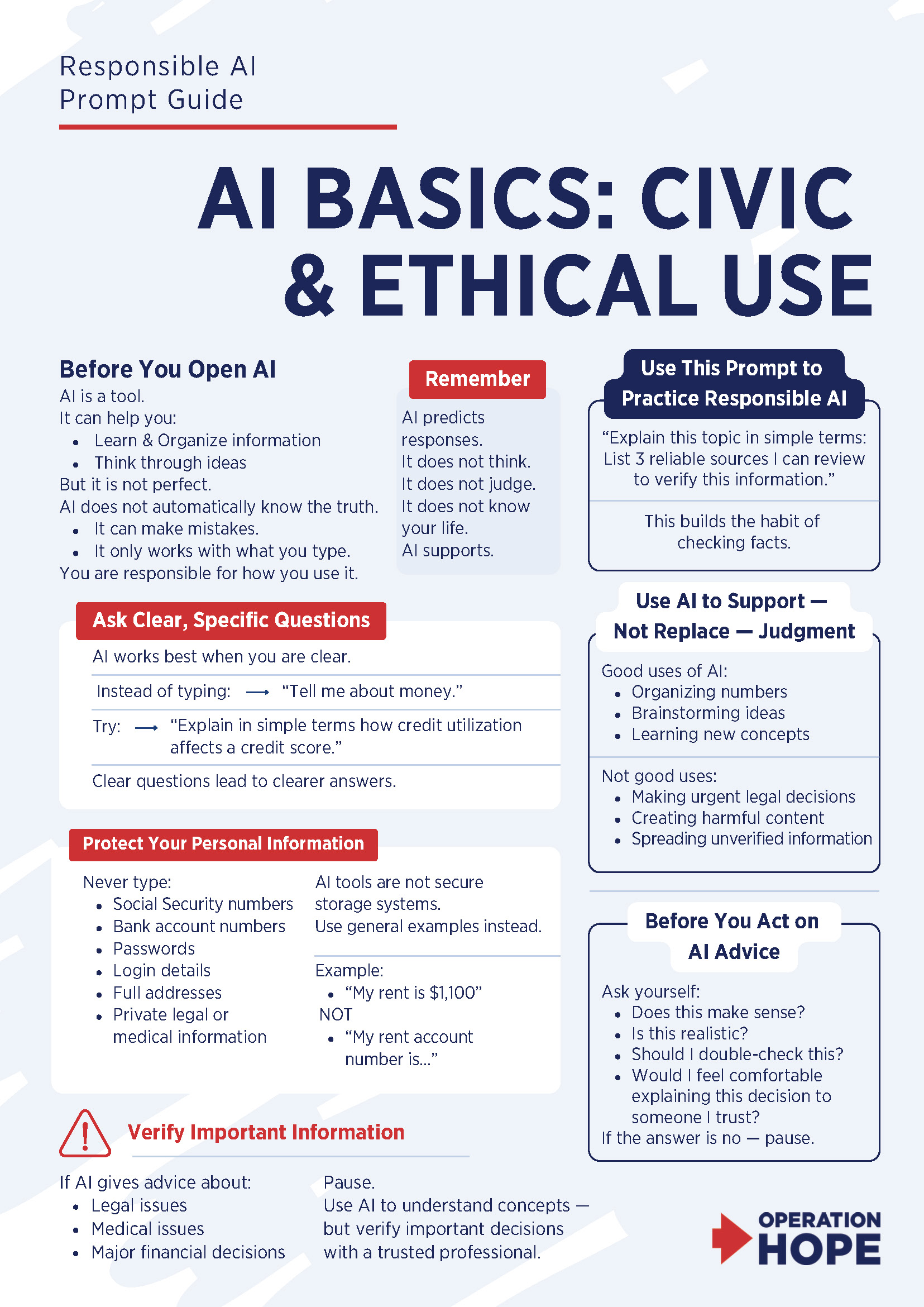
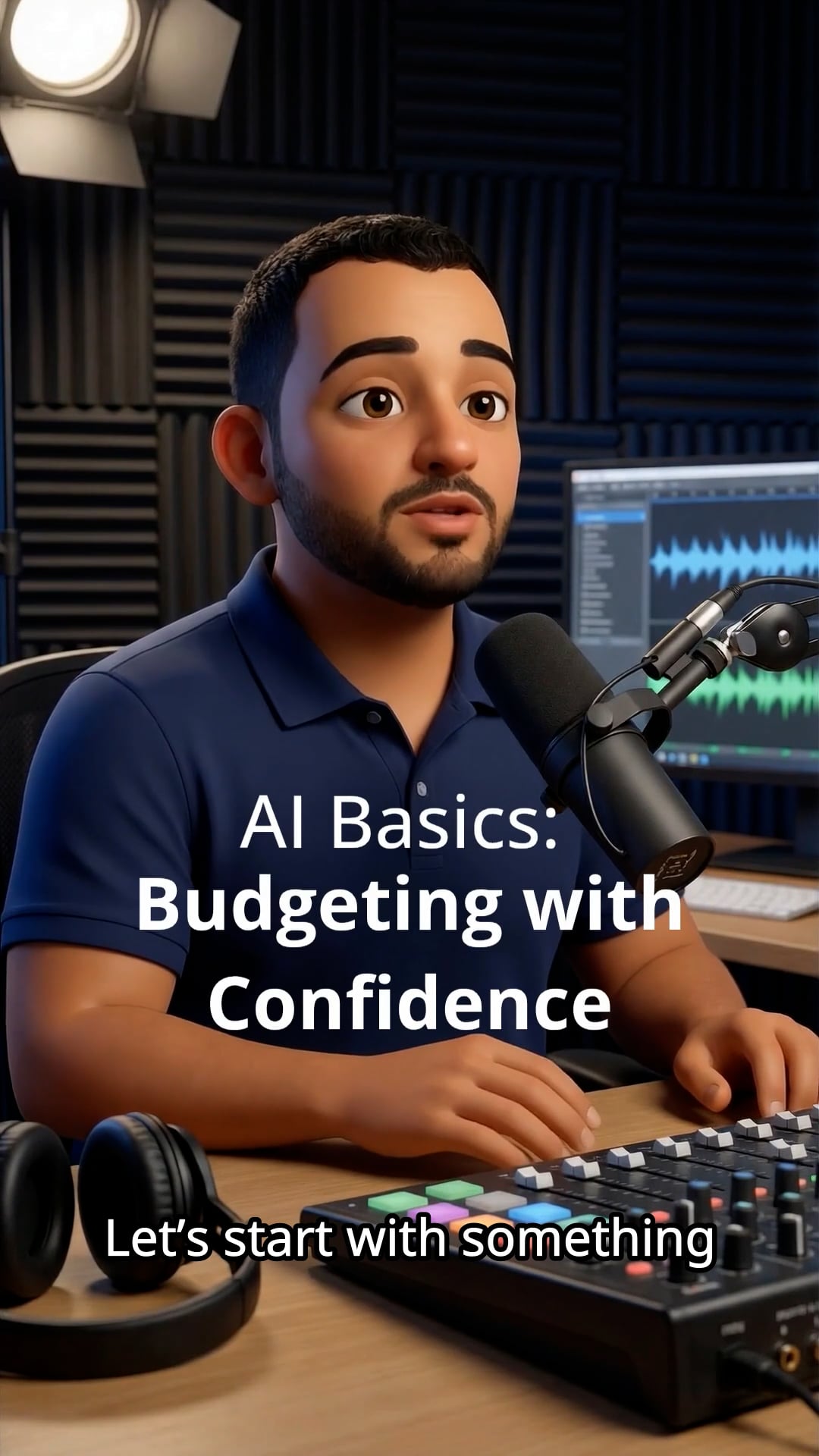
Our AI-powered video trainings use virtual instructors to guide you through essential financial topics like budgeting, credit management, homeownership, and taxes. Each short lesson breaks concepts into simple, step-by-step walkthroughs you can watch anytime, helping you build confidence and take action at your own pace.

Slide
PlayPlay
Download Prompt Sheet
Slide
PlayPlay
Download Prompt Sheet
Slide
PlayPlay
Download Prompt Sheet
Slide
PlayPlay
Download Prompt Sheet

want to test your KNOWLEDGE

Take one of our quick assessments to identify areas where you have room to increase your knowledge of financial concepts.

How "Lit" Are You?

understanding your financial literacy

This knowledge quiz is designed to give you a better understanding of your current level of
financial literacy and help identify areas where you can improve.


1 / 15

Category: Credit & Debt

1. You need to borrow $500. Which option will likely have the lowest fees?

2 / 15

Category: Ai Literacy

2. Before using AI for money decisions, what is most important?

3 / 15

Category: Financial Awareness & Risk

3. If you take out a $500 payday loan with a $75 fee and pay it back in two weeks, what is your annual percentage rate (APR)?

4 / 15

Category: Credit & Debt

4. What impacts your credit score the most?

5 / 15

Category: Budgeting & Expenses

5. If you can’t save 3-6 months of expenses, what’s the best alternative?

6 / 15

Category: Financial Awareness & Risk

6. You receive a call saying you owe money and must pay immediately via gift card. What should you do?

7 / 15

Category: Credit & Debt

7. Which debt should you pay off first if you have limited funds?

8 / 15

Category: Banking & Savings

8. If your bank charges a $35 overdraft fee and you overdraw by $5, how much do you owe?

9 / 15

Category: Banking & Savings

9. Which bank account is the safest for storing emergency funds?

10 / 15

Category: Budgeting & Expenses

10. Under the 50/30/20 rule, what percentage of your income should go to savings and debt repayment?

11 / 15

Category: Credit & Debt

11. You have no credit history. What’s the best way to start building credit?

12 / 15

Category: Budgeting & Expenses

12. Which of the following is a fixed expense?

13 / 15

Category: Banking & Savings

13. If inflation is 5% and your savings account earns 1% interest, what happens to your money’s purchasing power?

14 / 15

Category: Credit & Debt

14. What happens if you make a credit card payment 31 days late?

15 / 15

Category: Credit & Debt

15. You have a $1,000 credit limit and a $500 balance. What is your credit utilization rate?

Invite your friends and family to take the quiz!

LinkedIn Facebook

How "AI Lit" Are You?

UNDERSTANDING YOUR FINANCIAL LITERACY

This knowledge quiz is designed to give you a better understanding of your current level of
AI literacy and help identify areas where you can improve.


1 / 10

Category: Ai Literacy

1. If AI gives advice about a major financial decision, you should:

2 / 10

Category: Ai Literacy

2. Can AI dispute credit report errors for you?

3 / 10

Category: Ai Literacy

3. If you want AI to build a budget, what should you include?

4 / 10

Category: Ai Literacy

4. If AI suggests saving more than you can afford, you should:

5 / 10

Category: Ai Literacy

5. Before using AI for money decisions, what is most important?

6 / 10

Category: Ai Literacy

6. Before asking AI to build a savings plan, you should know:

7 / 10

Category: Ai Literacy

7. Which information should never be entered into AI?

8 / 10

Category: Ai Literacy

8. If you tell AI your balance is $2,000 and your limit is $3,000, what can it help calculate?

9 / 10

Category: Ai Literacy

9. AI is best described as:

10 / 10

Category: Ai Literacy

10. Why do due dates matter in budgeting?

Invite your friends and family to take the quiz!

LinkedIn Facebook

ARE YOU READY?

The DFR Score™ (Disaster Financial Recovery Score) is a revolutionary preparedness tool created by Operation HOPE designed to measure your level of preparedness to recover financially from a disaster or personal emergency. Complete 10 short questions and receive your personal DFR Score and important information to help you become better prepared in recovering from a disaster.

Find out how prepared you are financially to recover from a disaster.

1 / 10

Have you identified and discussed with your family the most likely disasters to affect you in the next five years? (Examples: Flooding, earthquake, tornado, hurricane, terrorist attack, etc.)

2 / 10

Have you completed a disaster preparedness and recovery plan such as the Emergency Financial First Aid Kit (EFFAK) and Personal Disaster Preparedness Guide (PDPG) or other comprehensive document?

3 / 10

Do you have a completed disaster preparedness and recovery plan stored where it will be accessible after a disaster? (On a flash drive, emailed to a family member/financial consultant/attorney, etc.)

4 / 10

Have you reviewed or completed your disaster preparedness and recovery plan, such as the EFFAK or PDPG, with your spouse or family member and do they have access to the documents after a disaster or emergency?

5 / 10

Do you have adequate insurance to help you recover from a disaster? (Home, renter’s, flood, health, auto insurance, etc.)

6 / 10

Have you reviewed and updated the amount of coverage on your home or renter's insurance policy in the last two years?

7 / 10

Have you stored in your home: water, medications, and non-perishable food to sustain you and your family for a minimum of three days?

8 / 10

In the case that a disaster affects your housing, do you know where you (and your family if applicable) will be able to live for six months? And can you cover the expenses from your current income?

9 / 10

Is your phone prepared to be a disaster recovery tool? (This includes having a disaster notification program/tool/app on your cell phone.)

10 / 10

Do you know how to apply for FEMA assistance in case you need to after a disaster?

TELL US ABOUT YOURSELF

Your score is